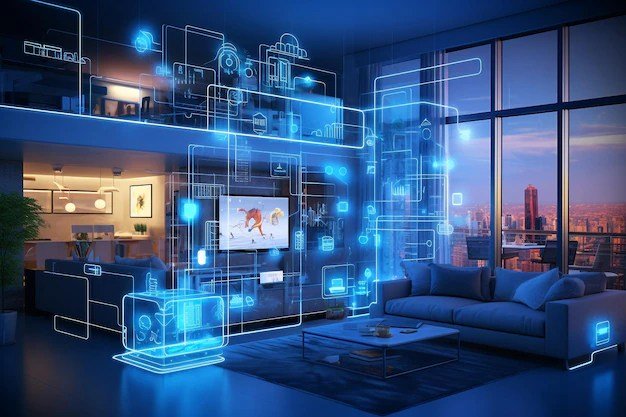
Imagine a home that intuitively understands your needs, adjusting lighting, temperature, and security with seamless precision. A place where tasks are automated, comfort is optimized, and peace of mind is built into the very walls. This isn't a scene from a sci-fi movie; it's the evolving reality of Smart Home Technology & Automation, transforming how we live, work, and relax. From voice-activated assistants to predictive energy management, the innovations in this space are making our homes not just smarter, but truly more livable.
The promise of a connected home has been around for decades, but only now are we seeing a true convergence of artificial intelligence, robust connectivity, and user-friendly design. The result? A home that doesn't just react to commands but anticipates your desires, protects your loved ones, and actively works to enhance your daily life.
At a Glance: Your Smart Home Journey
- AI-Powered Intuition: Homes now learn your habits, automating everything from lighting to climate control for ultimate comfort and efficiency.
- Seamless Integration: New standards like Matter are making it easier for devices from different brands to work together, ending frustrating compatibility issues.
- Enhanced Security & Safety: Real-time monitoring, smart locks, and environmental sensors offer comprehensive protection and instant alerts.
- Sustainable Living: Smart tech actively manages energy consumption, reducing utility bills and supporting a greener lifestyle.
- Wellness & Accessibility: From fall detection for seniors to personalized comfort settings, smart homes are adapting to diverse health and lifestyle needs.
- Practical Applications: Explore specific devices for every room – from outdoor security to indoor climate control and specialized health tech.
- Making Smart Choices: Learn how to plan your smart home, understand common pitfalls, and choose the right devices for your lifestyle.
The Intelligent Evolution: Trends Shaping Today's Smart Homes
The smart home landscape is dynamic, driven by powerful technological currents that are pushing beyond simple remote control. These aren't just incremental upgrades; they're fundamental shifts that redefine what a home can be. Understanding these trends is key to appreciating the true value of modern smart home technology.
AI-Driven Automation & Predictive Intelligence: Your Home, Reimagined
At the heart of the modern smart home lies artificial intelligence. AI isn't just about voice commands; it's about systems that learn, predict, and adapt. This intelligence allows your home to move beyond basic "if this, then that" automation to create truly adaptive environments.
Imagine your thermostat learning your daily routines, not just turning off when you leave, but predicting when you’ll arrive home and pre-warming or cooling. Or security cameras that differentiate between a family member, a delivery driver, and an unknown intruder, providing predictive alerts tailored to the situation. AI-based image and motion recognition powers smarter security, while context-aware voice assistants understand nuances in your requests. This predictive capability reduces manual interactions, making your home feel effortlessly intuitive and remarkably safe.
Interoperability & Unified Platforms: A Symphony, Not a Solo
Early smart homes often felt like a collection of disjointed gadgets, each with its own app and frustrating compatibility issues. Today, the focus is squarely on interoperability. The goal? To allow devices from various manufacturers to communicate seamlessly, creating a unified and cohesive experience.
This shift is largely powered by the emergence of common connectivity standards like Wi-Fi, Thread, and Zigbee, alongside universal protocols such as Matter. These developments mean you can increasingly control all your devices from a single app or voice assistant, regardless of brand. This platform-driven ecosystem simplifies setup, enhances scalability, and most importantly, makes smart home technology far more accessible and user-friendly for everyone. No more juggling half a dozen apps just to dim the lights and lock the door.
Smart Home Safety, Security & Surveillance Innovations: Proactive Protection
Home security has moved far beyond simple alarms. Modern smart home systems offer real-time monitoring, instant alerts, and remote access, transforming security from reactive to proactive. These innovations leverage AI, cloud storage, and mobile connectivity to offer comprehensive protection.
Think about AI-enabled video analytics that can tell you if a package has arrived or if a pet has escaped, rather than just detecting general motion. Smart locks now incorporate biometric (fingerprint) and mobile access, allowing you to grant temporary access or check lock status from anywhere. Environmental sensors detect smoke, gas leaks, and water spills, often integrating with your automation platform to trigger protective actions, like shutting off the water main. This holistic approach ensures your home isn't just secure, but resilient against a wider range of potential hazards.
Energy Management & Sustainable Smart Home Solutions: Greener Living, Lower Bills
With rising energy costs and a growing environmental consciousness, smart homes are becoming powerful tools for sustainability. These systems actively monitor, optimize, and reduce energy consumption using real-time data and intelligent automation.
Smart thermostats, like the Ecobee, are masters of adaptive temperature control, learning your preferences and adjusting based on occupancy, weather, and even utility peak times. Automated lighting systems use occupancy sensors to ensure lights are never left on in empty rooms. Furthermore, these technologies are increasingly integrating with renewable energy sources like solar panels, allowing homeowners to monitor generation and consumption more effectively. The result is a home that not only lowers your utility bills but also significantly shrinks your carbon footprint. It’s a win-win for your wallet and the planet.
Growth of Health, Assisted Living & Lifestyle-Focused Smart Homes: Caring for You
Smart home technology is expanding its reach into health, wellness, and assisted living, responding to an aging global population and a desire for more comfortable, supportive living environments. Homes are being designed to monitor health indicators, detect emergencies, and enhance the overall quality of life for residents.
This includes discreet fall detection systems that alert caregivers without requiring wearables, and activity monitoring systems that track daily routines to ensure well-being. Smart wearables can integrate with home platforms, providing remote health alerts and facilitating caregiving. Voice-controlled environments offer greater accessibility for individuals with mobility challenges, while personalized comfort automation adjusts everything from lighting color to air quality for optimal wellness. This holistic approach redefines smart homes as environments that truly adapt to our physical, emotional, and health needs. For a deeper dive into how homes are evolving to meet these needs, you might explore Your guide to future homes.
Inside the Intelligent Abode: A Room-by-Room Guide to Smart Home Devices
Now that we understand the driving forces behind smart home technology, let's explore the practical applications. From the moment you approach your front door to the tranquility of your bedroom, smart devices are enhancing every corner of your living space.
The Exterior: Welcoming, Watching & Working Smarter
Your home's exterior is the first line of defense and often the place where convenience truly shines.
- Outdoor Security Cameras: High-resolution cameras with color night vision, AI-powered motion detection, and two-way audio provide unparalleled vigilance. Devices like the Aqara Camera Hub G5 Pro even act as a Matter hub, boosting your entire smart home network.
- Video Doorbells: See, hear, and speak to visitors from anywhere. The Arlo Video Doorbell, for example, offers clear HD/2K video, a wide field of view, and supports both wired and wireless setups. It's your personal greeter and protector.
- Smart Locks: Say goodbye to fumbling for keys. Smart locks offer multiple entry methods—fingerprint, keypad, mobile app, voice, or even a traditional key. The Ultraloq Bolt Fingerprint offers robust HomeKit support and versatility.
- Smart Entry Doors: For the ultimate upgrade, doors with smart glass can switch from opaque to transparent with a button press or voice command, offering privacy on demand.
- Professionally Monitored Security Systems: For maximum protection, services like ADT Command provide robust, professionally monitored solutions.
- DIY Security Systems: If you prefer flexibility, systems like SimpliSafe Home Security offer remote monitoring without long-term contracts.
- Smart Garage Door Openers: Remotely monitor and control your garage, ensuring it’s closed or opening it for deliveries. Belt-driven models are especially quiet.
- Smart Sprinkler Controllers: Save water and maintain a lush lawn effortlessly. The Rachio 3 uses local weather data to automatically adjust watering schedules, skipping when rain is predicted.
- Outdoor Smart Lighting: Set the mood, enhance security, and add curb appeal. Govee Lynx Dream Bluetooth & Wi-Fi Outdoor String Lights are weatherproof, multicolor, and integrate with voice assistants.
- Outdoor Smart Plugs: Extend your smart home to the patio. The TP-Link Kasa EP40A Outdoor Plug is weatherproof and lets you control outdoor devices like holiday lights or fountains with your voice or app.
- Robot Lawn Mowers: Let technology handle the yard work. Models like the Segway Navimow X390 can mow large areas, while the Gardena Robotic Mower Sileno City offers an affordable, quiet solution for smaller yards.
- Smart Mosquito Repellent Systems: Enjoy your outdoor space bug-free with systems like the Thermacell LIV Smart Mosquito Repellent System.
The Heart of the Home: Living Room & Kitchen Innovations
These are the communal spaces where connectivity truly enhances daily life, from entertainment to meal preparation.
Living Room: Comfort, Control & Entertainment
- Smart Speakers & Displays: These are often the central command centers. Amazon Echo Dot Max (Alexa), Nest Audio (Google Assistant), or HomePod mini (Siri) offer voice control. Smart displays like the Amazon Echo Show 11 or Google Nest Hub Max add a visual interface for recipes, video calls, or checking security feeds.
- Smart Light Bulbs & Switches: Control brightness, color, and schedules. The AiDot Linkind Wi-Fi Matter Smart Light Bulb offers 16 million colors and works with Matter. Philips Hue Iris Table Lamps can set routines for waking or sleeping.
- Smart Thermostats: Beyond basic temperature control, devices like the Ecobee Smart Thermostat Premium offer remote monitoring, detailed scheduling, and energy-saving features, often with remote sensors for more accurate readings. The Amazon Smart Thermostat provides a budget-friendly alternative.
- Smart Plugs: Turn any 'dumb' appliance into a smart one. TP-Link Kasa Smart Wi-Fi Plug Slim monitors power usage and works with voice commands. Smart power strips like the TP-Link Kasa Smart Wi-Fi Power Strip HS300 offer independently controllable outlets.
- Indoor Security Cameras: Keep an eye on pets, kids, or valuable items. The Eufy E220 Indoor Cam provides high-resolution video, local/cloud storage options, and automatic motion tracking.
- Pet Cameras: Stay connected with your furry friends. The Furbo 360 Dog Camera offers barking notifications and can even toss treats remotely.
Kitchen: Culinary Convenience & Cleaning Automation
- Smart Displays: The Amazon Echo Show 8 is perfect for countertops, helping with recipes, timers, grocery lists, and entertainment while you cook.
- Smart Ovens & Appliances: Control your oven from your phone, preheat on the way home, or use QR codes for automated cooking. The Tovala Smart Oven even offers optional meal kits. Beyond ovens, smart refrigerators, air fryers, and multicookers like the Instant Pot Pro Plus are transforming meal prep.
- Smart Coffee Makers: Wake up to fresh coffee. The Hamilton Beach Smart Coffee Maker supports voice commands and Alexa routines, while premium options like the xBloom Studio automate grinding and brewing.
- Robot Vacuums & Mops: Delegate cleaning tasks. The TP-Link Tapo RV30 Max Plus is a budget-friendly self-emptying option, while premium models like the Ecovacs Deebot X8 Pro Omni offer all-in-one vacuuming and mopping with voice assistant integration. The iRobot Roomba j9+ is excellent for pet owners.
- Smart Trash Cans: Enjoy germ-free use with auto-opening lids.
The Private Spaces: Bedroom & Bathroom Sanctuary
These areas focus on personal comfort, wellness, and quiet automation.
Bedroom: Rest, Rejuvenation & Remote Monitoring
- Smart Beds & Mattress Toppers: Optimize your sleep. The Sleep Number 360 i8 Smart Bed allows independent firmness adjustment and tracks sleep trends. The Eight Sleep Pod Pro Cover adjusts bed temperature and tracks sleep health metrics like respiration and snoring.
- Smart Air Conditioners & Purifiers: Control your climate and air quality remotely. The GE Profile Clearview Smart Air Conditioner offers app/voice control and quiet operation. The Dyson Big+Quiet Formaldehyde BP03 is a three-stage HEPA purifier and oscillating fan.
- Smart Lighting: Create ambient lighting with Philips Hue Iris Table Lamps or use compact smart speakers/displays like the Amazon Echo Dot or Google Nest Mini for bedside control. The second-gen Nest Hub offers camera-free sleep tracking.
- Smart Baby Monitors: Comprehensive child monitoring systems like the Nanit Pro Complete Monitoring System record sleep/wake times and offer alerts for breathing cessation.
Bathroom: Health & Hygiene Monitoring
- Smart Scales: Track more than just weight. The Etekcity HR Smart Fitness Scale tracks 14 metrics (BMI, body fat, heart rate) and syncs data to your phone.
- Smart Toothbrushes: Enhance your oral hygiene with customizable vibration strength and oscillation settings controlled via an app, like the Laifen Wave Electric Toothbrush.
Specialized Zones: Home Gym & Backyard Entertainment
Smart home technology isn't just for the core living areas; it extends to specialized zones for fitness and outdoor enjoyment.
Home Gym: Interactive Fitness
- Smart Fitness Devices: Bring the gym home with interactive guided classes and customized workouts.
- Smart Stationary Bikes: Peloton Cross Training Series Bike+ and SoulCycle At-Home Bike offer immersive cycling experiences.
- Smart Rowing Machines: The Hydrow Arc provides a full-body workout with a large touchscreen for streaming outdoor workouts.
- Smart Treadmills: The King Smith WalkingPad X21 is an affordable, compact option with a companion app for workouts.
- Smart Strength Training Machines: Tonal 2 offers digital resistance and sensors that adjust weight during classes, providing a comprehensive strength training experience.
Backyard: Entertainment, Grilling & Leisure
- Outdoor-Friendly Speakers: Enjoy high-quality audio outdoors. The Sonos Move 2 is powerful and weather-resistant, while options like the Sony ULT Field 7 or Anker Soundcore Motion 300 offer portability and durability.
- Outdoor Projectors: Create an outdoor cinema experience. The Anker Nebula Mars 3 and BenQ GS50 offer good audio/picture quality in rugged designs.
- Smart Grills & Thermometers: Take your grilling to the next level. Smart grills like the Traeger Ironwood 650 (wood pellet) or Weber Genesis EPX-335 (gas) offer app control and temperature monitoring. Smart thermometers like the Weber iGrill Mini ensure perfect results every time.
Building Your Smart Home Ecosystem: Where to Begin?
The sheer volume of smart home technology can feel overwhelming. The key is to approach it strategically, considering your needs, budget, and existing setup.
Defining Your Needs: What Problems Do You Want to Solve?
Before buying any device, ask yourself:
- Convenience: Do you want to automate routine tasks (lighting, temperature)?
- Security: Are you looking for better monitoring, alerts, or access control?
- Energy Savings: Is reducing utility bills a top priority?
- Wellness/Accessibility: Do you need features for health monitoring or to assist loved ones?
- Entertainment: Do you want integrated audio/visual control?
Start with one or two pain points, solve them, and then expand. Don’t try to make your whole home smart overnight.
Choosing Your Ecosystem: Apple HomeKit, Google Home, Amazon Alexa, or Other?
Most smart devices are designed to work within a specific ecosystem or are compatible with multiple. Choosing a primary ecosystem early can simplify integration.
- Apple HomeKit: Known for strong privacy and security, often requires Matter or HomeKit-specific devices. Great for iPhone users.
- Google Home/Assistant: Seamless integration with Android devices and a wide range of smart devices.
- Amazon Alexa: Vast device compatibility, strong voice assistant features, and a large ecosystem of services.
- Samsung SmartThings: A versatile platform that aims to connect a very broad range of devices from various manufacturers.
Consider which voice assistant you already use, or which app interface you prefer, as this will likely be your primary control point. The emergence of Matter is a game-changer, promising to bridge these ecosystems and allow devices to work across platforms, making your choice less restrictive over time. Look for devices labeled "Matter-compatible" for future-proofing.
DIY vs. Professional Installation
- DIY: Many smart home devices are designed for easy self-installation. This is cost-effective and gives you direct control. Ideal for basic setups like smart plugs, bulbs, and thermostats.
- Professional Installation: For complex systems (whole-home wiring, integrated security, advanced automation scenarios), a professional can ensure optimal performance and seamless integration. This is often recommended for professionally monitored security systems or advanced multi-zone audio.
Prioritizing Your Purchases: Start Small, Think Big
- Begin with basics: Smart bulbs, a smart plug, or a smart thermostat are excellent starting points to experience the benefits without a major investment.
- Address key pain points: If security is your main concern, invest in a video doorbell and smart lock first. If energy savings, start with a smart thermostat.
- Consider compatibility: As you expand, ensure new devices work with your existing ecosystem to avoid fragmentation.
Navigating the Smart Home Landscape: Common Questions & Considerations
Making your home smart involves more than just buying gadgets. It's about understanding how these technologies fit into your life.
Is Smart Home Technology Secure?
This is a critical concern. While smart devices offer immense convenience, they also present potential security vulnerabilities.
- Network Security: Always use a strong, unique password for your Wi-Fi network and enable WPA2/WPA3 encryption.
- Device Passwords: Change default passwords on all smart devices immediately. Use strong, unique passwords.
- Software Updates: Keep all device firmware and apps updated. Manufacturers frequently release patches for security vulnerabilities.
- Privacy Settings: Review the privacy settings for each device and app. Understand what data is being collected and how it's used.
- Guest Networks: Consider setting up a separate Wi-Fi network for your smart devices to isolate them from your main network.
Reputable brands prioritize security, but user vigilance is always necessary.
How Much Does a Smart Home Cost?
The cost can range from under $100 for a few smart bulbs and plugs to tens of thousands for a fully integrated, professionally installed system.
- Entry-Level: ~$50-$200 for basic smart plugs, bulbs, or a budget smart speaker.
- Mid-Range: ~$500-$2000 for a smart thermostat, video doorbell, smart lock, and a few smart lights, creating a robust core.
- High-End/Whole Home: $5000+ for advanced security systems, multi-room audio, integrated appliances, and professional installation.
The beauty is you can scale your smart home over time, adding devices as your needs evolve and your budget allows.
What About Privacy Concerns?
Many smart devices collect data—from voice commands to video footage and energy usage.
- Data Collection: Understand what data your devices collect (e.g., voice assistants recording commands, cameras recording video).
- Storage: Where is your data stored (locally, cloud)? How long is it kept?
- Sharing: Is your data shared with third parties? Review privacy policies carefully.
- Control: Many devices offer options to limit data collection or delete stored data. Take advantage of these.
Transparency from manufacturers and informed choices from consumers are vital for protecting privacy in the smart home.
Can I Still Control My Devices Manually?
Absolutely. Most smart devices retain their traditional manual controls. A smart light switch can still be flipped, a smart lock can still be opened with a key, and a smart thermostat can be adjusted by hand. This ensures functionality even if your internet is down or your phone battery dies. Smart home technology is designed to augment, not entirely replace, existing functionality.
Will My Smart Home Become Obsolete Quickly?
While technology evolves rapidly, several factors mitigate quick obsolescence:
- Software Updates: Many devices receive software updates that add new features and improve functionality.
- Standardization (Matter): New standards like Matter are designed to improve long-term compatibility across brands, extending the lifespan of your devices.
- Core Functionality: Basic smart home functions (remote control, scheduling) tend to remain relevant even as new features emerge.
Focus on reputable brands and devices that support open standards where possible to future-proof your investment.
Taking the Next Step: Embracing Your Intelligent Home
Smart home technology and automation are no longer niche luxuries; they are practical tools designed to elevate everyday living. From bolstering security and shaving dollars off your energy bill to offering unparalleled convenience and supporting a healthier lifestyle, the benefits are tangible and immediate.
The journey into smart home living is personal. It’s about identifying what truly matters to you – whether it's the peace of mind of a secure home, the joy of effortless comfort, or the satisfaction of sustainable living. Start small, experiment, and let your home evolve with your needs. The future of living isn't just about having technology; it's about technology intelligently serving you, making your home a more intuitive, efficient, and enjoyable place to be. Your intelligent home awaits.