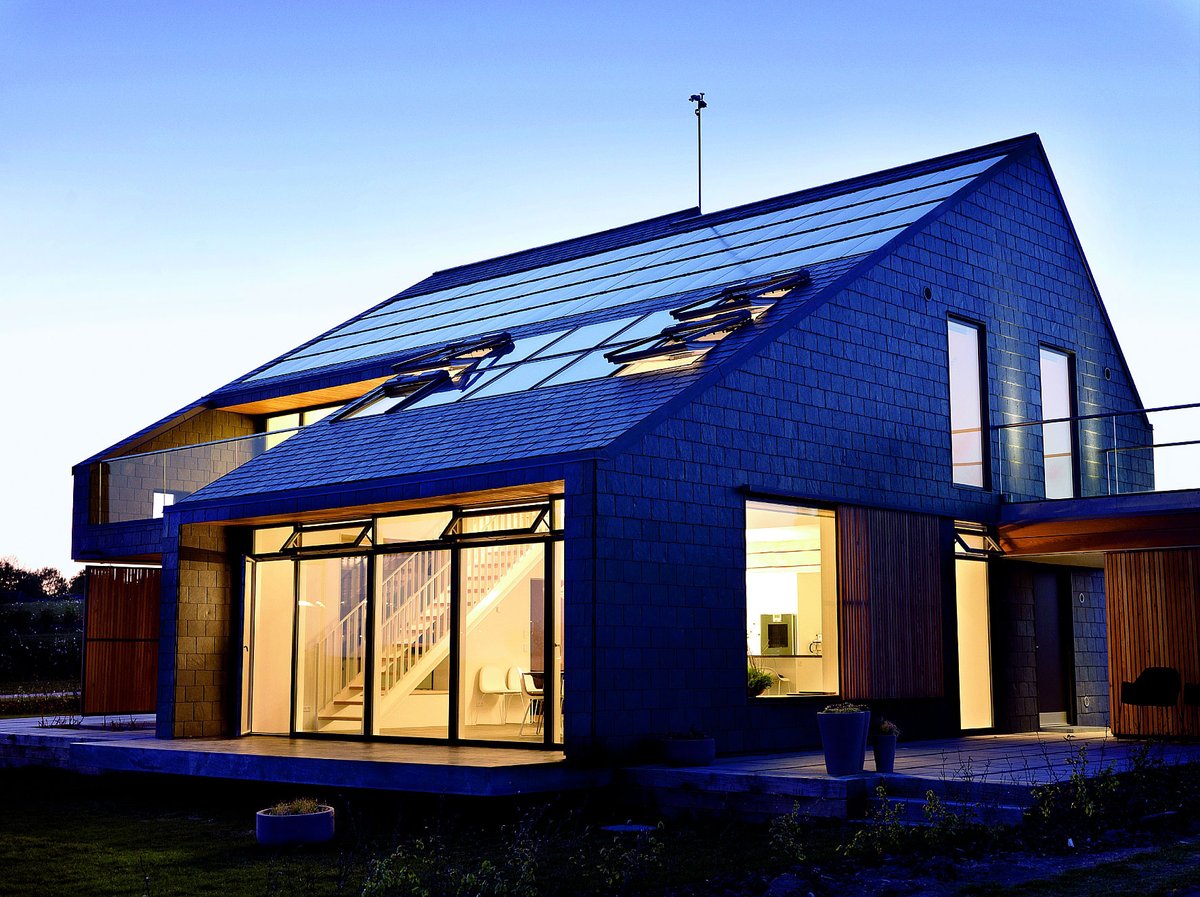
The hum of your refrigerator, the glow of your lights, the warmth of your shower – these daily comforts often come with a silent partner: a monthly electricity bill that feels like it’s constantly climbing. But what if you could flip the script, turning your home into a powerhouse that actually saves you money while making a tangible difference for the planet? That's the promise of Renewable Energy & Home Efficiency, a powerful duo poised to transform how you live.
As of early 2025, U.S. homeowners are at a unique crossroads. Soaring energy costs and pressing climate concerns are driving a surge in interest, and for good reason: embracing renewables could trim over $1,000 annually from the average American household's expenses. It’s not just about installing solar panels; it's about a holistic approach that starts with making your home inherently smart about energy.
At a Glance: Your Path to a Greener, Cheaper Home
- Efficiency First: Always prioritize making your home energy-efficient (insulation, air sealing, ENERGY STAR appliances) before installing renewable systems. This maximizes your savings and makes any system more effective.
- Solar Reigns: Photovoltaic (PV) panels are the most common residential choice, converting sunlight directly into electricity. Solar water heaters offer significant hot water savings.
- Other Options: Geothermal heat pumps offer incredible heating/cooling efficiency. Small wind turbines are viable in consistently windy areas. Biomass systems provide heating with organic materials.
- Financial Perks: Federal tax credits (like the 30% Residential Clean Energy Credit) and various state/local incentives can significantly reduce upfront costs.
- Net Metering: Most states allow you to sell excess electricity back to the grid, accelerating your return on investment.
- Professional Help is Key: From energy audits to installation, certified professionals ensure safety, compliance, and optimal system performance.
- Long-Term Value: Renewable systems increase property value and come with substantial warranties and long lifespans.
The Smart Start: Why Efficiency Trumps All (First Things First)
Before you even think about solar panels or a wind turbine, let’s talk about the unsung hero of energy savings: home efficiency. Imagine buying a super-efficient car, but then leaving the windows perpetually open while driving. You’d be wasting a lot of that hard-won efficiency, right? The same principle applies to your home.
The most valuable kilowatt-hour is the one you don't use. By shoring up your home’s defenses against energy waste, you’ll maximize the impact of any renewable energy system you later install, often reducing the size (and cost) of the system you need. This isn't just theory; it’s a foundational truth for smart homeowners. Before you generate, reduce.
Here’s where to focus your efficiency efforts:
- Insulation, Insulation, Insulation: It's your home's winter coat and summer shade. Adequate insulation in your attic, walls, and floors prevents heat from escaping in winter and entering in summer. This is often the single biggest bang for your buck.
- Air Sealing: Cracks and gaps around windows, doors, pipes, and electrical outlets are like tiny holes in a bucket, constantly leaking conditioned air. Simple caulking, weatherstripping, and foam sealants can make a dramatic difference. Think of it as putting a lid on that bucket.
- High-Performance Windows: If your windows are old, drafty, and single-pane, they're significant energy hogs. Upgrading to ENERGY STAR-certified, double- or triple-pane windows with low-emissivity (low-e) coatings can drastically reduce heat transfer.
- ENERGY STAR Appliances: When it's time to replace your refrigerator, washing machine, dishwasher, or other major appliances, look for the ENERGY STAR label. These products meet strict energy efficiency guidelines set by the U.S. Environmental Protection Agency and Department of Energy, using significantly less electricity and water.
- Smart Thermostats: These programmable devices learn your habits, adjust temperatures automatically, and can be controlled remotely, optimizing your heating and cooling schedules for maximum savings without sacrificing comfort.
- LED Lighting: A simple, cost-effective switch. LEDs use a fraction of the electricity of incandescent bulbs and last exponentially longer, paying for themselves many times over.
By tackling these efficiency upgrades first, you’re setting the stage for true success. You’ll shrink your energy footprint, making any subsequent renewable energy investment work harder and smarter. You might be surprised at the benefits of a professional energy audit in pinpointing exactly where your home is leaking energy.
Your Power Play: Decoding Residential Renewable Energy
Once your home is a lean, mean, energy-saving machine, it's time to explore generating your own power. The technology has evolved dramatically, becoming more efficient, affordable, and accessible than ever before.
Solar Energy: Harnessing the Sun's Bounty
Solar remains the undisputed king of residential renewable energy, and for good reason. The sun is a virtually limitless power source, and solar technology has become incredibly robust.
- Photovoltaic (PV) Panels: Turning Light into Power
PV panels convert sunlight directly into electricity. Think of them as miniature power plants on your roof. Advances in materials and manufacturing have steadily improved their efficiency and driven down costs. - How it Works: Silicon-based solar cells absorb photons from sunlight, creating an electric current. This Direct Current (DC) electricity is then converted into Alternating Current (AC) by an inverter, making it usable for your home's appliances and the grid.
- The Numbers: An average U.S. residential system is around 7.2 kilowatts (kW), typically requiring 15-19 panels. The cost hovers around $21,000, or roughly $3 per watt, before incentives. Such a system can produce 20-35 kWh per day, enough to significantly offset, if not entirely cover, a household’s daily electricity needs.
- Future Glimpse: The solar landscape is far from static. Look for innovations like perovskite solar cells, which promise even higher efficiencies and lower manufacturing costs; bifacial panels that capture sunlight from both sides; and AI integration for real-time optimization of energy production and consumption.
- Solar Water Heating Systems: Hot Water on Demand
While PV panels handle electricity, solar water heating systems use solar collectors to directly heat water for your home. - How it Works: Collectors, usually mounted on your roof, absorb solar energy to heat a fluid (often water or a glycol solution). This heated fluid then transfers its warmth to the water in your conventional hot water tank.
- The Benefits: A family of four can meet up to 50% of its hot water needs with a solar water heating system. This significantly reduces your water heating bill, which is typically the second-largest energy expense after heating and cooling.
- Investment: These systems generally cost between $5,000 and $7,000, and while they require a backup system for cloudy days or peak demand, the long-term savings are substantial.
Wind Energy: Catching the Breeze at Home
While less common for individual homes than solar, small-scale residential wind turbines can be a powerful option in specific locations.
- The Ideal Scenario: Wind turbines thrive where there's consistent, unobstructed wind. This usually means rural properties, open plains, or coastal areas, far from significant structures or trees that could block airflow.
- Key Considerations: Before considering a wind turbine, you'll need a professional assessment of local wind availability and speed. Zoning regulations are also a major factor, as turbines have height restrictions and can be subject to noise ordinances. While a viable option for some, it's not a fit for every suburban or urban home.
Geothermal Energy: The Earth's Steady Heartbeat
Often overlooked, geothermal energy, harnessed through ground-source heat pumps, offers arguably the most efficient heating and cooling solution available.
- The Genius of the Earth: Just a few feet underground, temperatures remain remarkably stable year-round, typically between 50-60°F (though ranging from 45-75°F depending on location and depth). Geothermal systems tap into this constant temperature to regulate your home’s indoor climate.
- How it Works: A loop system of pipes buried in your yard circulates a fluid that absorbs or dissipates heat. In winter, the fluid absorbs heat from the earth and transfers it into your home. In summer, it extracts heat from your home and disperses it into the cooler ground.
- Unmatched Efficiency: These systems achieve 2-3 times higher efficiency than even high-efficiency air source heat pumps because they're exchanging heat with the stable earth, not the fluctuating outdoor air.
- Investment & Return: Geothermal systems have higher initial costs due to the excavation and loop installation, but the energy savings are profound. Homeowners typically recoup their investment in 10-15 years through drastically reduced heating and cooling bills.
Biomass Energy: Sustainable Heat from Nature's Bounty
Biomass heating systems offer another renewable option, especially for those with access to sustainable organic materials.
- Fueling with Nature: These systems typically use readily available organic materials like wood pellets, corn, or agricultural waste as fuel. Modern biomass stoves and boilers have vastly improved efficiency and emissions profiles compared to traditional wood-burning fireplaces.
- Efficiency & Emissions: Contemporary biomass systems are designed for clean combustion, minimizing particulate matter and greenhouse gas emissions. They offer a carbon-neutral heating solution if the fuel sources are replenished sustainably.
- Considerations: Fuel storage, consistent fuel quality, and regular ash removal are practical considerations for homeowners opting for biomass heating.
Show Me the Money: Financial Incentives & ROI
Investing in renewable energy isn't just about saving the planet; it’s a smart financial decision, especially with the array of incentives designed to make it more accessible.
Federal Boost: The 30% Tax Credit
In the U.S., the federal government offers significant support. Thanks to the Inflation Reduction Act, the Residential Clean Energy Credit provides a robust 30% tax credit on the total cost of installing eligible renewable energy systems (including solar PV, solar water heating, geothermal heat pumps, and small wind turbines). This credit applies to systems installed between 2022 and 2032, making now an opportune time to invest. It's a dollar-for-dollar reduction in your income tax liability, not just a deduction.
Local Perks: State & Utility Programs
Beyond federal incentives, your state, county, and even local utility company often offer additional programs. These can include:
- Rebates: Direct payments or discounts on installation costs.
- Property Tax Exemptions: Exemptions for the increased value your home gains from a renewable energy system.
- Performance-Based Incentives (PBIs): Payments based on the actual electricity your system generates.
- Low-Interest Loans: Specific financing options for energy-efficient upgrades.
It's crucial to research specific programs available in your area, as they can vary wildly and significantly impact your upfront costs and long-term savings.
The Payback Equation: ROI & Property Value
The typical payback period for residential renewable energy systems, considering incentives and energy savings, ranges from 5 to 15 years. This means after that period, your system is essentially generating free energy. But the financial benefits don't stop there. Homes equipped with renewable energy systems consistently see an increase in property value, making them more attractive to buyers. This isn't just a cost recovery; it's an asset improvement.
Selling Back: Understanding Net Metering
One of the most powerful financial mechanisms is net metering. Most states allow homeowners with grid-tied renewable energy systems to sell any excess electricity their system produces back to the utility grid. Your electricity meter literally runs backward when you're generating more power than you're consuming. This means you get credit for the energy you send to the grid, which can then be used to offset your consumption at night or on cloudy days. This policy is a cornerstone of accelerating your investment recoupment and maximizing your savings. To truly understand how this works in your area, you might want to look up how net metering policies affect your savings.
Getting Down to Business: Installation & Technical Realities
Once you’ve decided on a system, the practicalities of installation come into play. While each system has its nuances, we’ll focus on solar PV as it's the most common residential application.
Solar Site Prep: What Your Home Needs
A successful solar installation starts with a thorough site assessment. This isn't just about throwing panels on the roof; it's about optimizing performance and ensuring long-term safety.
- Roof Condition & Orientation: Your roof should be in good condition, ideally with at least 10-15 years of life left. In the Northern Hemisphere, a south-facing roof receives the most sunlight, though east- and west-facing roofs can also be viable.
- Weight & Structure: Solar panels add weight (typically 3-6 lbs per square foot). A structural engineer or qualified installer will verify your roof's load capacity and ensure it can safely support the system.
- Shade Analysis: Even small amounts of shading from trees, chimneys, or neighboring buildings can drastically reduce a panel’s efficiency. A professional assessment will identify and mitigate shading issues.
- System Sizing: This isn't guesswork. It involves evaluating your household's historical energy consumption (from past utility bills) and projecting future needs to determine the optimal size of your system.
- Electrical Panel Compatibility: Your existing electrical panel needs to be compatible with the new solar array. Upgrades to the panel or service may be required to safely integrate the system and meet local codes.
- Permitting & Interconnection: This can be a complex part of the process. You'll need to comply with local building, fire, and electrical codes, as well as utility interconnection standards. A reputable installer will handle all the necessary permits and approvals.
The Pro Difference: Why Expert Installation Matters
Attempting a DIY renewable energy installation can lead to safety hazards, voided warranties, and suboptimal performance. Engaging qualified, certified installers is paramount. They ensure:
- Correct & Safe Installation: Adherence to all electrical, structural, and safety codes.
- Optimal Performance: Proper panel angling, wiring, and inverter selection for maximum energy production.
- Warranty Adherence: Many manufacturers' warranties require professional installation.
- Permitting & Paperwork: Navigating the bureaucratic maze of permits and utility interconnection agreements.
Finding a highly-rated and experienced professional is crucial. Consider exploring tips on choosing the right solar installer to make an informed decision.
Keeping the Green Flowing: Maintenance & Longevity
Renewable energy systems are built for durability, but like any major home investment, they benefit from periodic care. Understanding maintenance and expected lifespans helps you plan for the long term.
- Solar Panels: These are largely "set it and forget it."
- Maintenance: Periodic inspections for shading, soiling (dust, pollen, bird droppings), or physical damage are recommended. In most climates, rain naturally cleans the panels.
- Longevity: Solar panels typically have product warranties of 10-12 years and performance warranties of 20-25 years, guaranteeing a certain percentage of original output. They experience a gradual efficiency reduction of about 0.5% per year, meaning they'll still operate at approximately 88% capacity after 25 years.
- Wind Turbines:
- Maintenance: Require regular mechanical checks, lubrication, and inspection of blades and bearings.
- Longevity: With proper maintenance, residential wind turbines can last 20-25 years.
- Geothermal Systems:
- Maintenance: The underground loop components are incredibly durable, often lasting up to 50 years with minimal intervention. The indoor heat pump unit, similar to a traditional HVAC system, typically lasts 20-25 years. Requires system monitoring and fluid level checks.
- Longevity: The system's components are robust, but regular monitoring ensures peak efficiency.
- Biomass Systems:
- Maintenance: Proper fuel quality is essential. Regular ash removal and cleaning of the combustion chamber are necessary.
- Longevity: With good maintenance and fuel, biomass systems can last 20-25 years.
Considering service agreements with your installer can provide peace of mind, ensuring consistent maintenance and quick resolution of any issues, maximizing your system's longevity and performance.
Beyond Your Backyard: Environmental & Regulatory Impact
While your primary focus might be your home and your wallet, the decision to go renewable has a ripple effect far beyond your property line.
The Good News: Eco-Benefits
The positive environmental impacts are significant and far-reaching:
- Reduced Greenhouse Gas Emissions: Directly lowers your carbon footprint by decreasing reliance on fossil fuels for electricity generation.
- Decreased Reliance on Fossil Fuels: Contributes to energy independence and reduces the demand for finite resources.
- Improved Air Quality: Less burning of fossil fuels means fewer pollutants released into the atmosphere, leading to healthier air for everyone.
- Water Conservation: Many renewable sources, particularly solar PV and wind, use significantly less water for operation compared to traditional power plants.
Mind the Footprint: Potential Downsides & Mitigation
It’s also important to acknowledge potential negative impacts and how they are being addressed:
- Land Use/Habitat Disruption: Large-scale solar farms can require significant land, potentially impacting ecosystems. Residential systems, mostly on rooftops or brownfields, mitigate this concern.
- Water Usage: Some solar thermal systems, particularly concentrating solar power (CSP), can require water for cooling or cleaning, though residential solar water heating is minimal.
- Hazardous Materials: Solar panel manufacturing involves materials like cadmium and lead, which pose disposal challenges.
- Mitigation: The industry is actively working on solutions. Sustainable siting practices on rooftops, previously disturbed land, or brownfields are prioritized. Efficient water management is crucial for all systems. Furthermore, robust recycling programs for solar panels and other components are emerging to handle end-of-life materials responsibly, transforming waste into new resources.
The Policy Maze: Navigating Regulations
The regulatory landscape plays a huge role in renewable energy adoption. As of January 2025, federal policy under President Donald Trump's administration has introduced some uncertainties, with a focus on traditional energy sources. This makes state-level policies even more critical.
- State-Level Renewable Portfolio Standards (RPS): Many states have mandates requiring utilities to generate a certain percentage of their electricity from renewable sources, indirectly supporting residential adoption through market mechanisms.
- Net Metering Policies: These vary significantly by state and can change. Strong net metering policies are a major driver of residential solar, while weaker ones can dampen enthusiasm. Staying informed about your state's specific regulations is key.
Paving the Way: Future Trends & Overcoming Hurdles
The journey to a fully renewable energy future is ongoing, marked by exciting innovations and persistent challenges.
Residential solar adoption rates are projected to continue their upward trajectory, potentially reaching 25% by the end of 2024, driven by a combination of technological advancements and supportive federal incentives. Innovations like the next generation of perovskite solar cells, more efficient bifacial panels, and the integration of artificial intelligence for optimizing energy generation and consumption promise even greater efficiency and accessibility. You can explore next generation homes to see how these innovations are shaping the future of living.
However, the path isn’t without its bumps. Supply chain disruptions can affect component availability and pricing. Manufacturing costs, while decreasing overall, can still fluctuate. For larger-scale projects, land acquisition logistics remain a hurdle. But the industry's resilience and commitment to innovation are consistently finding ways to overcome these challenges, making renewable energy an increasingly reliable and cost-effective choice for homeowners.
Your Next Steps to a Greener, Cheaper Home
You're now armed with a comprehensive understanding of how to make your home more energy-efficient and power it with renewable energy. The journey might seem daunting, but by breaking it down into manageable steps, you can confidently move forward.
- Start with an Energy Audit: This is your foundation. A professional energy audit will pinpoint exactly where your home is losing energy, giving you a clear roadmap for the most impactful efficiency upgrades. It's often the single best first investment.
- Prioritize Efficiency Upgrades: Tackle insulation, air sealing, and consider ENERGY STAR appliance replacements as your budget allows. These steps will reduce your energy needs significantly, making any renewable energy system you choose more cost-effective.
- Research Local Incentives: Don't leave money on the table! Look into state, local, and utility-specific programs that can stack on top of federal tax credits, drastically reducing your upfront costs.
- Get Multiple Quotes from Qualified Professionals: For any renewable energy system, secure at least three quotes from reputable, certified installers. Compare not just price, but warranties, experience, and customer service. Ask about their process for handling permits and interconnection.
- Understand Your Energy Consumption: Provide installers with your past 12-24 months of electricity bills so they can accurately size a system that meets your needs.
- Read the Fine Print: Understand your net metering agreement, warranties, and any service contracts.
Transitioning to a home powered byRenewable Energy & Home Efficiencyis more than just an upgrade; it's an investment in your financial future, your comfort, and a healthier planet. Take the first step today – your greener, cheaper home awaits.