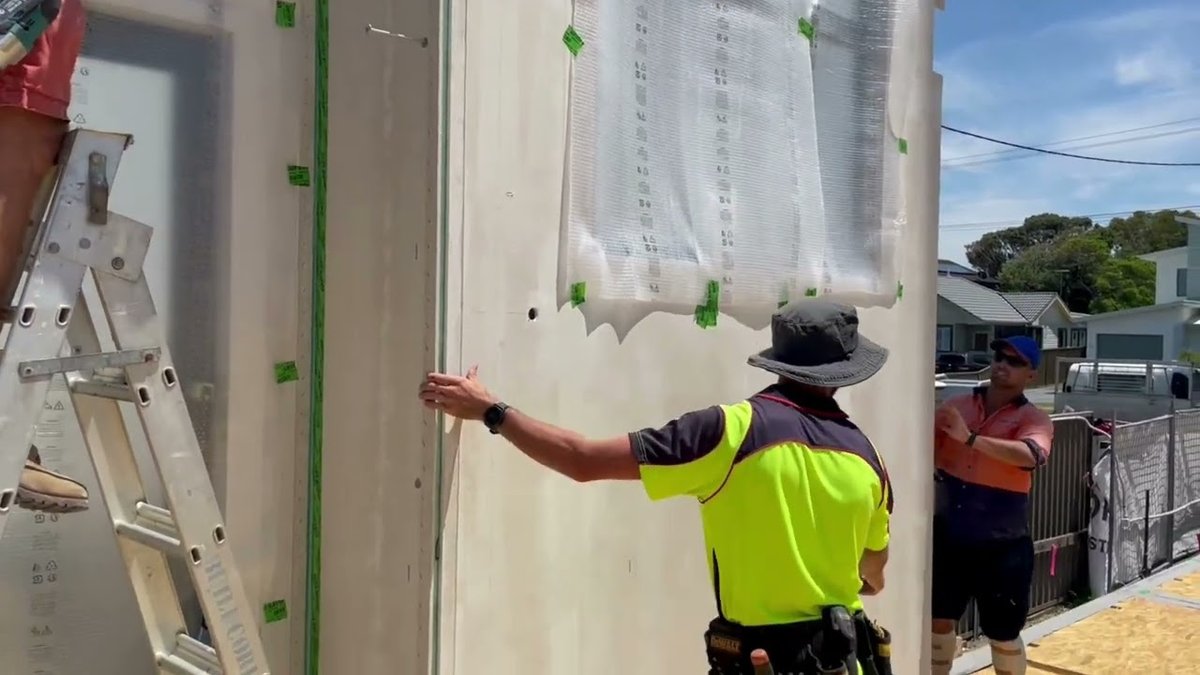
Forget the cookie-cutter houses of yesterday. Imagine a home that arrives largely pre-built, precisely engineered, and perfectly tailored to your life, not just your budget. This isn't science fiction; it's the rapidly evolving world of Modular & Prefabricated Future Homes, promising a revolution in how we build, buy, and live in our personal spaces. These innovative dwellings are stepping up as a compelling answer to today's pressing challenges: the escalating cost of housing, the urgent need for sustainable practices, and the desire for healthier living environments.
At a Glance: Why Modular & Prefab Homes are Turning Heads
- Affordable: Often more budget-friendly than traditional stick-built homes due to streamlined processes and less waste.
- Faster Construction: Built simultaneously with site work, dramatically cutting down project timelines.
- High Quality: Constructed in climate-controlled factory environments, leading to superior precision and fewer weather-related delays or damage.
- Sustainable: Reduced material waste, energy-efficient designs, and greener building practices are often standard.
- Customizable: Far from "mobile homes," modern prefab allows for extensive design flexibility and personalized finishes.
- Healthier Living: Many builders focus on advanced air filtration, VOC reduction, and smart home systems for occupant well-being.
- Resilient: Engineered to rigorous standards, offering enhanced durability and resistance to environmental factors.
Beyond the Box: What Exactly Are Modular and Prefab Homes?
Let's clear the air. When you hear "modular" or "prefab," ditch any outdated images of basic, temporary structures. We're talking about sophisticated, high-quality homes built using advanced manufacturing techniques.
- Prefabricated (Prefab) Homes: This is a broad umbrella term. It simply means a home, or significant components of it, are built off-site in a factory setting before being transported to the final building location. This category includes:
- Modular Homes: These are built in sections (or "modules") in a factory. Each module is a self-contained unit, complete with walls, flooring, plumbing, and electrical. Once complete, these modules are transported to the site and assembled onto a permanent foundation, creating a seamlessly integrated home. They are built to the same local building codes as traditional site-built homes, often exceeding them.
- Panelized Homes: Walls, floors, and roof sections are built in a factory, then shipped flat to the site for assembly.
- Kit Homes: All the necessary materials are pre-cut and labeled, then shipped to the site for assembly, often by the homeowner or a local builder.
- Manufactured Homes (Mobile Homes): While also built off-site, these are built to a different federal code (HUD code) and are typically not considered modular homes. Modular homes are permanently affixed to a foundation and appreciate in value similarly to traditional homes.
For the purpose of this guide, we'll primarily focus on modular homes—the most common and comprehensive form of prefabricated future homes, known for their permanence, quality, and adaptability.
Why Now? The Driving Forces Behind the Modular Revolution
The surge in interest in modular and prefabricated homes isn't just a trend; it's a direct response to a confluence of modern challenges. From housing affordability crises to climate change, these homes offer compelling solutions that traditional construction often struggles to match.
One forward-thinking builder, Dvele, frames the problem perfectly, identifying a multi-faceted crisis encompassing housing availability, affordability, energy security, health issues, and climate change. Their approach, and that of many innovators in the modular space, is to tackle these head-on.
1. The Affordability Squeeze: Traditional home construction faces rising labor costs, material price volatility, and supply chain inefficiencies. Modular construction, by centralizing labor and optimizing material use in a controlled factory environment, can significantly reduce overall project costs. Companies like Modular Home Direct emphasize competitive pricing and extensive customization to provide "unmatched value," making homeownership more accessible.
2. The Call for Sustainability: With environmental concerns at an all-time high, the building industry must evolve. Modular construction inherently produces less waste—a factory setting allows for precise cuts and recycling programs that are difficult to replicate on a chaotic job site. Furthermore, advanced modular builders are integrating high-performance features. Dvele, for instance, focuses on "self-powered homes" utilizing solar panels and battery storage, reducing reliance on the grid and shrinking a home's carbon footprint.
3. Health and Well-being at Home: Our homes should be havens, but indoor air quality and environmental factors are often overlooked. Next-generation modular homes prioritize health. Dvele homes, for example, incorporate Dvele IQ, an operating system that monitors air and water quality, humidity, energy usage, and even VOC levels, gathering millions of data points monthly to actively protect occupant health. This level of environmental control and transparency is a game-changer for wellness-focused living.
4. Efficiency and Speed: The traditional building process is notoriously slow and subject to weather delays. Modular construction flips this on its head. While your foundation is being prepared on-site, your home is being built indoors, simultaneously. This parallel processing dramatically accelerates timelines, getting you into your new home much faster.
Building Smarter, Not Harder: Key Benefits of Modular & Prefab Construction
The advantages of choosing a modular or prefabricated home extend far beyond just solving immediate crises. They represent a fundamental shift towards a more intelligent, reliable, and user-centric way of building.
Cost-Effectiveness & Predictability
One of the most attractive aspects of modular homes is their potential for greater affordability and cost predictability. By centralizing the build process in a factory, manufacturers can leverage economies of scale, bulk purchasing of materials, and a consistent labor force. This translates to less waste, fewer unexpected delays, and a clearer financial picture from the outset.
- Fixed Pricing: Unlike traditional builds where costs can spiral due to unforeseen site issues, modular builders often provide a fixed price for the home modules themselves, offering greater budget control.
- Reduced Labor Costs: Factory assembly minimizes the need for specialized on-site crews for extended periods, lowering overall labor expenses.
- Less Material Waste: Precise cutting and recycling in a factory drastically reduce waste, leading to material savings and less landfill contribution.
- Flexible Financing: Companies like Modular Home Direct understand the importance of making homeownership accessible, offering flexible financing options to fit various budgets.
Speed & Efficiency
Imagine your home being built in a controlled environment while your land is prepped. That's the efficiency modular construction offers.
- Parallel Processing: Site preparation (foundation, utilities) and home construction happen concurrently.
- No Weather Delays: Rain, snow, or extreme temperatures don't halt factory production.
- Faster Occupancy: The entire process, from design to move-in, can often be significantly shorter than traditional builds—sometimes months faster.
Unrivaled Customization & Design Freedom
A common misconception is that modular homes are limited in design. The reality is quite the opposite. Modern modular construction allows for extensive customization, rivaling—and often surpassing—the options available in site-built homes.
- Personalized Floorplans: Builders like Modular Home Direct excel in offering fully customizable plans, allowing you to adjust layouts to fit your unique lifestyle and preferences.
- Premium Materials: You're not limited to basic options. Many modular builders offer a wide range of premium materials, finishes, and fixtures, from high-end cabinetry to smart home integrations.
- Architectural Diversity: Modern modular homes can achieve virtually any architectural style, from minimalist modern (a Dvele signature) to traditional farmhouse or craftsman.
- Code Compliance: Custom blueprints are meticulously designed to comply with specific city codes and local requirements, ensuring your unique vision is built to standard.
Sustainable & Eco-Friendly Living
For those concerned about their environmental footprint, modular homes present a compelling choice.
- Reduced Site Disturbance: Less on-site construction means minimal disruption to the local ecosystem.
- Energy Efficiency: Modules are built with precision, leading to tighter seals, better insulation, and fewer drafts, significantly reducing energy consumption for heating and cooling. Dvele's "Self-Powered Home" model, integrating solar and battery storage, is a prime example of achieving energy independence.
- Healthy Materials: Many builders prioritize using materials with low VOCs (volatile organic compounds) and other harmful chemicals, contributing to better indoor air quality.
Enhanced Quality & Durability
The factory environment isn't just about speed; it's about control and precision.
- Climate-Controlled Environment: Materials are protected from weather damage, preventing issues like warping or mold before construction even begins.
- Rigorous Quality Control: Each stage of production undergoes strict inspections, ensuring adherence to high standards.
- Superior Engineering: Modules are built to withstand the rigors of transportation and craning, often resulting in structures that are stronger and more robust than many site-built homes. Dvele specifically highlights "next-generation building science, materials, and advanced manufacturing" to create homes that rival custom builders in performance and longevity.
Health-Centric Design for Better Living
Beyond energy efficiency, the cutting edge of modular construction is focusing on the occupant's health and well-being.
- Air & Water Quality Monitoring: Systems like Dvele IQ are revolutionizing home health, providing real-time data on critical environmental factors within your home. Imagine knowing the exact quality of the air you breathe and the water you drink, with proactive alerts if issues arise.
- Reduced Toxins: The controlled factory environment allows for careful selection of materials, minimizing exposure to common indoor pollutants.
- Improved Daily Life: A home designed with health in mind translates to better sleep, fewer allergies, and an overall enhanced sense of well-being, contributing to longevity and improved daily life. For those keen to Explore next generation homes that truly care for their inhabitants, this feature is paramount.
Your Journey to a Prefabricated Home: What to Expect
Building a modular home might seem complex, but leading companies have refined the process into clear, manageable steps. While specifics vary, you'll find common threads of consultation, design, construction, and final assembly.
The Modular Home Direct Path: Customization in 9 Steps
Modular Home Direct emphasizes a personalized, step-by-step approach designed to guide you from initial idea to move-in. Their process prioritizes collaboration and customization:
- Initial Consultation: This is where your dreams begin to take shape. You'll discuss your vision, needs, budget, and lot information.
- Design & Planning: Work with designers to create a custom floorplan. This stage is crucial for ensuring the home perfectly fits your lifestyle and site requirements.
- Choosing Home Options: Select interior and exterior finishes, materials, fixtures, and other personalized options to truly make the home your own.
- Finding a Contractor: Modular Home Direct helps connect you with qualified local subcontractors for site work, foundation, and final assembly.
- Starting Production: Once designs are finalized and permits secured, your home's modules begin construction in the factory.
- Preparing the Foundation: While modules are being built, your chosen contractor prepares the building site and lays the permanent foundation.
- Delivery: The completed modules are carefully transported to your site. This is often a fascinating spectacle!
- Assembly & Construction: On-site crews assemble the modules, connect utilities, and complete any remaining exterior and interior finishing work.
- Move In & Enjoy: Once final inspections are passed, the home is yours to inhabit and enjoy for years to come.
The Streamlined Dvele Experience: High-Performance in 3 Steps
Dvele focuses on simplifying the process for high-performance, health-centric homes, streamlining decisions while ensuring top-tier quality and features:
- Choose Your Floorplan: Select from modern-inspired designs featuring clean lines and timeless layouts, engineered for efficiency and health.
- Pick the Design: Dvele offers curated bundles of exterior and interior finishes and fixtures. This simplifies decision-making while still allowing for simple upgrade choices to personalize your space.
- Live in Comfort: Once built, Dvele homes are designed for low maintenance, allowing you to focus on living comfortably and benefiting from their health-centric features and energy security.
Choosing Your Builder: Key Considerations
Both Modular Home Direct and Dvele represent excellent options, but their approaches highlight key distinctions to consider when choosing your modular builder:
- Level of Customization: Do you want to be involved in every design decision (like Modular Home Direct offers), or do you prefer a more curated, simplified selection process for high-performance features (like Dvele)?
- Focus on Specific Features: Are you prioritizing affordability and design flexibility, or are health-centric features, energy independence, and smart home integration paramount?
- Process Simplicity: Evaluate how involved you want to be in managing contractors versus a more all-inclusive builder package.
- Local Expertise: Ensure your chosen builder has experience with local codes and can connect you with reliable on-site contractors.
Demystifying the Details: Common Questions About Modular Homes
Modular construction is still a new concept for many, leading to common questions and misconceptions. Let's tackle some of the most frequent ones.
Are modular homes the same as mobile homes?
Absolutely not. This is perhaps the biggest misconception. Mobile homes (now typically called manufactured homes) are built to a federal HUD code and are often designed to be moved. Modular homes, however, are built to the exact same state and local building codes as traditional stick-built homes. Once assembled on a permanent foundation, they are legally considered real property, indistinguishable from a site-built home and treated identically by appraisers, banks, and local municipalities.
Can I get a mortgage for a modular home?
Yes, financing for modular homes is generally the same as for traditional site-built homes. Banks and lenders offer conventional mortgages (fixed-rate, adjustable-rate) and often construction loans that convert to mortgages upon completion. Given that modular homes adhere to local building codes and are permanently affixed to a foundation, they are considered conventional real estate. Companies like Modular Home Direct specifically highlight flexible financing options to make homeownership accessible.
How long does it take to build a modular home?
The timeline is a significant advantage. While traditional construction can take 6-12 months (or more), a modular home can often be ready for move-in within 3-5 months from the start of factory production and site work. This speed is due to the parallel nature of the process: foundation work and utility hookups happen simultaneously with module construction in the factory.
Do modular homes appreciate in value like traditional homes?
Yes. Because modular homes are built to the same local building codes as site-built homes and are permanently affixed to a foundation, they appreciate in value at the same rate as comparable homes in the same neighborhood. Their quality, durability, and often superior energy efficiency can even make them more attractive in the long run.
Are modular homes less durable or of lower quality?
Quite the opposite. Modular homes are often more durable. They are constructed in climate-controlled factory environments, protecting materials from weather damage. They must be engineered to withstand the stresses of transportation and craning, which means they are often built with stronger framing and joinery than homes built piece-by-piece on-site. The rigorous quality control in a factory also typically leads to higher precision and fewer defects.
Can modular homes be designed for specific climate zones or severe weather?
Absolutely. Modular homes are built to meet or exceed all local building codes, which include specific requirements for different climate zones, seismic activity, and wind resistance. Many builders use advanced building science and materials, like Dvele does, to create "climate-resilient" homes designed to perform optimally and require less maintenance in various environmental conditions.
Looking Ahead: The Future is Built Off-Site
The discussion around Modular & Prefabricated Future Homes isn't just about efficiency or cost; it's about evolving our living spaces to meet the demands of a changing world. From addressing global housing shortages to providing healthier, more sustainable environments for families, this method of construction is poised to reshape our communities.
As technology advances, we can expect even greater customization, smarter home integrations, and increasingly sustainable materials to become standard. The precision and controlled environment of factory construction lend themselves perfectly to innovation, allowing for continuous improvements in energy efficiency, structural integrity, and occupant well-being.
The shift towards off-site construction isn't just about building houses; it's about building a better future, one thoughtfully designed, health-conscious, and energy-independent home at a time. It's a testament to human ingenuity, proving that sometimes, the best way forward is to literally think outside the traditional box.
Ready to Build Your Future? Your Next Steps
If the promise of an affordable, sustainable, and high-quality home resonates with you, exploring modular and prefabricated options is a truly smart move.
- Educate Yourself Further: Dive deeper into the specifics of modular construction, materials, and available designs. Research different builders and their specialties.
- Assess Your Needs: Determine your budget, desired size, architectural style, and any specific health or sustainability features you prioritize.
- Research Local Regulations: Understand your local zoning laws and building codes, as these will impact your choices.
- Connect with Builders: Reach out to reputable modular home builders. Schedule initial consultations to discuss your vision, get preliminary quotes, and understand their specific processes and offerings. Ask about their customization options, financing assistance, and contractor networks.
- Visit Show Homes (if available): Experiencing a modular home firsthand can provide invaluable insight into the quality, design, and feel of these innovative dwellings.
The journey to your future home can be exciting and straightforward. By embracing the advancements in modular and prefabricated construction, you're not just buying a house; you're investing in a smarter, more resilient, and more enjoyable way of living.