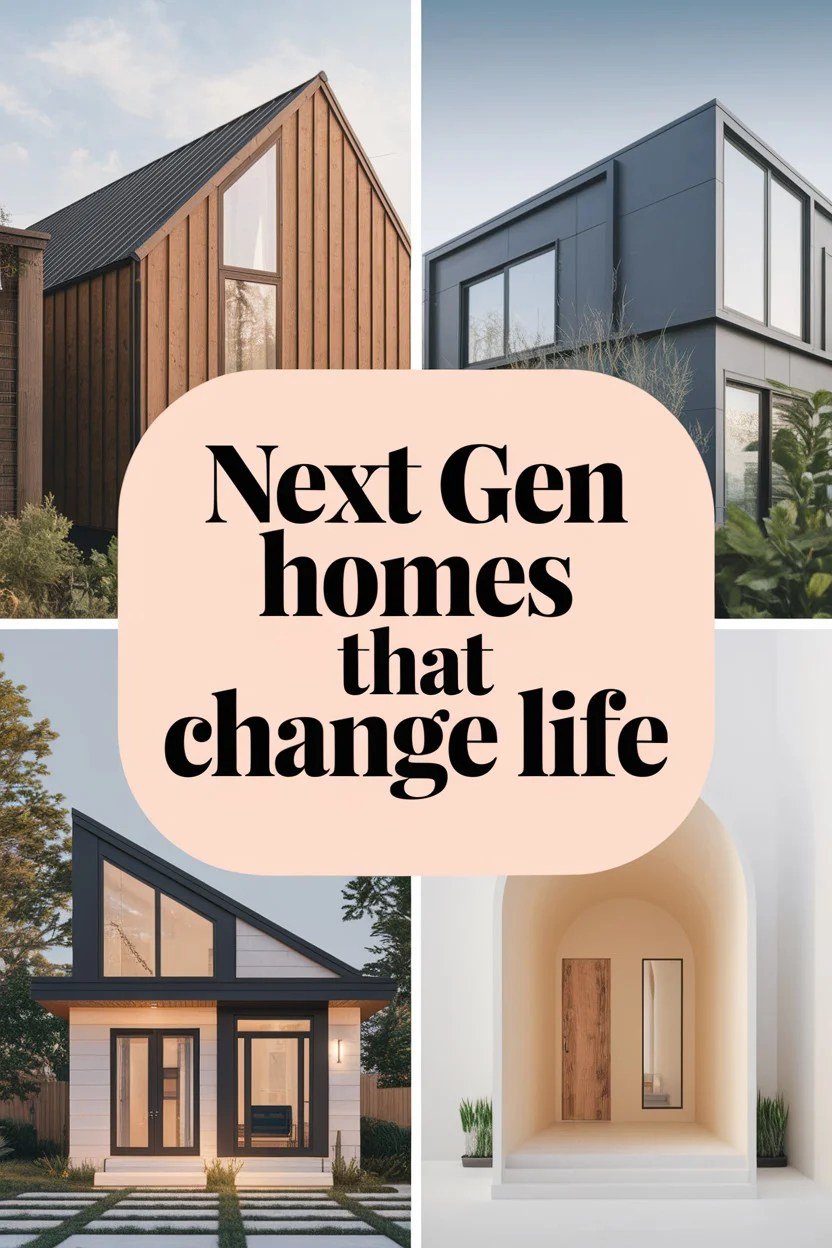
The very notion of "home" is transforming before our eyes. No longer just a shelter, our living spaces are evolving into dynamic ecosystems designed to actively support and enhance our well-being. This profound shift, driven by innovation and a heightened collective awareness of health, means that Health & Wellness in Next-Gen Homes Define Modern Living Spaces more powerfully than ever before. We’re moving beyond mere comfort; we’re building resilient, intelligent environments that act as partners in our quest for a healthier, more fulfilling life.
These future-forward homes are smart, sustainable, and deeply personal. They anticipate our needs, adapt to our rhythms, and seamlessly integrate technologies that promote physical vitality, mental clarity, and emotional balance.
At a Glance: What You'll Discover About Next-Gen Wellness Homes
- Holistic Design: Homes are being crafted to support five key facets of well-being: Health & Fitness, Safety & Security, Accessibility, Functionality, and Comfort & Joy.
- Smart Energy Management: Advanced electrical panels and power systems enhance indoor air quality, offer energy resilience, and reduce utility costs.
- Intuitive Hygiene: Smart toilets and self-drying shower doors prioritize cleanliness, accessibility, and ease of maintenance.
- Healthier Kitchens: Induction cooking is becoming the gold standard for superior indoor air quality and enhanced safety.
- Personalized At-Home Wellness: From smart, portable infrared saunas that sync with your fitness data to immersive sensory experiences, high-tech self-care is moving into the home.
- Sustainable & Adaptive Solutions: Next-gen wellness products are often built with eco-friendly materials and designed for portability and outdoor use.
- Beyond Gadgets: True wellness design integrates biophilia, optimal lighting, and acoustics to create restorative environments.
The Evolution of Home: From Shelter to Sanctuary
For centuries, a home’s primary purpose was protection from the elements. Then came convenience, driven by modern appliances and integrated systems. Today, we're witnessing another leap: the home as an active participant in our personal wellness journey. This isn't just about adding a gym; it's about fundamentally rethinking how every square inch of our living space impacts our physical, mental, and emotional health.
Wellness design, a burgeoning field, outlines this evolution by defining spaces that consciously support the safety, health, and wellbeing of occupants. It's a comprehensive approach, touching everything from the air we breathe to the light we see, and it considers five interconnected facets: Health & Fitness, Safety & Security, Accessibility, Functionality, and Comfort & Joy. Products and design choices in next-gen homes often embody multiple facets, creating truly integrated solutions.
Smart Foundations: Technologies Redefining Core Home Functions
The bedrock of any next-gen wellness home lies in its fundamental infrastructure. This isn't the flashy tech, but the smart, subtle upgrades that improve daily living, often in ways you don't even consciously notice until they're missing. These innovations prioritize our health and safety from the ground up, moving us closer to truly intelligent and responsive living environments. Indeed, understanding how these foundational elements integrate is key to Exploring next generation homes and their potential.
Energy Management & Indoor Air Quality: The Unseen Guardians
One of the most significant advancements comes in how homes manage electricity and maintain air quality. Traditionally, these were separate concerns, often addressed reactively. In next-gen homes, they converge to create a healthier, more resilient environment.
Consider advanced electric panels like the SPAN Panel MLO 48. This isn't just an upgrade; it's a future-proofing solution that supports the broader shift towards electrification in homes. By facilitating the integration of induction ranges, EV chargers, and other electric appliances, it directly improves indoor air quality by removing gas fumes and associated pollutants. Simultaneously, it enhances safety and security through energy resilience, often working in tandem with smart energy storage systems. You get not just cleaner air, but also the potential for substantial electric bill savings through optimized energy flow.
Similarly, systems like the Savant Power System with Storm Watch represent a leap in home resilience. Beyond simply providing backup power, these systems integrate energy storage to ensure essential circuits remain operational during outages. Features like Storm Watch alerts notify homeowners of impending weather events, while automated generator activation or load prioritization ensures critical systems stay online. This proactive approach significantly boosts a home's safety and security, providing peace of mind and often leading to tangible electric bill savings by optimizing energy usage even during normal operation.
Intuitive & Inclusive Design: Beyond Basic Function
Next-gen homes aren't just about what they do for you; they're also about how effortlessly they integrate into your life, prioritizing ease of use and accessibility for everyone. Design is becoming more thoughtful, anticipating needs and offering elegant solutions.
Take the Kohler Leap Smart Toilet, for instance. What was once considered a luxury now embodies core wellness principles. Its bidet functionality offers gentle, thorough hygiene, which contributes directly to comfort and personal health. Crucially, many of these smart toilets are now ADA compliant, significantly enhancing independent living for individuals with mobility challenges. The increased availability and more accessible pricing mean that what was once a niche product is now a cornerstone of inclusive, comfort-driven home design.
Another often-overlooked area that's getting a wellness upgrade is the shower. The Airmada AirPocket Door is a prime example. This enhanced shower door incorporates a drying function for the shower interior, actively mitigating the growth of mold and mildew – a direct benefit to indoor air quality and overall health. Furthermore, its design offers improved accessibility, allowing for larger, easier-to-operate doors (up to 40”x96”) compared to traditional swinging doors. This combination of ease of access and significantly easier cleaning makes it a standout in terms of both functionality and the foundational health of your bathroom space.
Culinary Wellness & Clean Cooking: The Heart of the Home
The kitchen, often the busiest room in the house, is ripe for wellness transformation. Moving away from traditional gas appliances offers a clear path to a healthier home environment.
The BlueStar 48” Platinum Series Induction Range showcases this beautifully. This pro-style induction range dramatically improves indoor air quality by eliminating the combustion byproducts and fumes associated with gas flames. It also offers enhanced safety, significantly reducing the risk of burns or fires inherent with open flames. Beyond health and safety, induction cooking is incredibly functional: it's faster, more precise, and the matte, scratch/stain-resistant surface makes cleaning a breeze. And for that elusive "Comfort & Joy" facet? BlueStar offers over 1,000 color customization options, allowing homeowners to personalize their kitchen space and truly make it their own, proving that wellness design doesn't sacrifice aesthetics.
Personalized Sanctuaries: The Rise of At-Home Wellness Tech
While foundational technologies enhance the entire home, next-gen spaces also embrace highly personalized, dedicated wellness solutions. These aren't just products; they're experiences, designed to bring spa-level therapies and recovery tools directly into your daily routine. The most striking example of this trend is the evolution of the portable infrared sauna.
The Infrared Sauna Revolution: Tailored Heat & Light
By 2026, portable infrared saunas have moved far beyond simple heat boxes. They've evolved into sophisticated wellness solutions, integrating smart technology, sustainable materials, and advanced designs that seamlessly fit into the modern home and lifestyle.
Smart Pods & Biohacker Hubs: Intelligent Personalization
Imagine stepping into a sleek, egg-shaped, single-person enclosure that knows your body better than you do. These Smart Pod designs wirelessly sync with fitness trackers like Oura Ring or Whoop, leveraging your sleep data, workout intensity, and stress levels to personalize heat therapy protocols. You can pre-heat, adjust temperature, and schedule sessions directly from a smart app, turning passive relaxation into an active, data-driven recovery session.
For those serious about optimization, the Biohacker/Recovery Enthusiast Design takes it a step further. These saunas combine full-spectrum infrared panels (near, mid, and far-infrared) with medical-grade red light therapy panels (typically 660nm and 850nm wavelengths). This powerful combination is designed for enhanced muscle recovery, cellular regeneration, and inflammation reduction. The beauty here is the independent customization; you can tailor both the infrared heat and red light therapy to target specific recovery goals, making it a truly bespoke wellness experience.
Sustainability & Aesthetics: Wellness, Consciously Crafted
The next generation of wellness tech isn't just effective; it's also responsible. Sustainable design is a core principle. You'll find saunas utilizing fast-growing, sustainably harvested bamboo for frames and recycled canvas with non-toxic coatings for enclosures. These designs often feature ultra-low-EMF carbon fiber heating panels, prioritizing your safety from electromagnetic fields. With natural color palettes and organic textures, these saunas blend seamlessly into a mindful, health-conscious home aesthetic, proving that high performance doesn't have to come at an environmental cost.
Immersive & Portable Experiences: Wellness on Your Terms
Wellness shouldn't be confined to a single room or even a single home. Next-gen saunas offer both immersive experiences and unparalleled portability.
The Immersive Dome Design transforms a simple sauna session into a multi-sensory retreat. These cocoon-like structures integrate customizable LED light arrays for chromotherapy, built-in aromatherapy diffusers that fill the space with calming scents, and high-fidelity speakers for guided meditations or curated soundscapes. It’s about engaging multiple senses simultaneously to create a truly restorative escape from daily stressors.
For the urban dweller, the digital nomad, or even the mobile wellness practitioner, the Collapsible Suitcase Sauna is a game-changer. This ingenious design completely collapses into a wheeled, hard-shell suitcase (around 24x18x8 inches), making it astonishingly portable. It assembles in under 90 seconds without tools, offering a full sauna experience almost anywhere. This level of portability makes high-end wellness accessible in even the most limited spaces, or on the go.
Shared & Outdoor Wellness: Extending the Sanctuary
Wellness doesn't always have to be a solo pursuit. The evolution of portable saunas also includes options for shared experiences and integration with outdoor living.
The Two-Person Portable Design accommodates two people comfortably, often featuring dual seating and independent temperature controls. The interior layout is designed to promote interaction, including features like smartphone holders and enhanced ventilation for a more comfortable shared experience. This allows couples or friends to enjoy the benefits of heat therapy together, fostering connection alongside health.
And for those who love to blend indoor comfort with outdoor living, the Weather-Resistant Outdoor Design offers a compelling solution. These saunas feature reinforced aluminum frames, marine-grade fabric enclosures, and UV-resistant coatings built to withstand the elements. With stable bases and anchor points, they allow you to set up your sauna experience in outdoor living spaces like balconies, patios, or even backyards, extending your wellness sanctuary into nature itself.
Designing for the Senses & Soul: Beyond Gadgets
While technology offers incredible advancements, next-gen wellness homes understand that true well-being transcends gadgets. It’s about creating an environment that inherently nurtures the human spirit, appealing to our senses and fostering a deep sense of calm and connection.
The Power of Light: Circadian Rhythm Support
Optimal lighting is paramount. Next-gen homes move beyond simple on/off switches, incorporating dynamic lighting systems that mimic natural light cycles. Think tunable white lighting that shifts from bright, energizing cool tones in the morning to warm, gentle hues in the evening, supporting your body's natural circadian rhythm. Features like automated blackout blinds for deep sleep and natural light harvesting through thoughtful window placement are integrated design elements, not afterthoughts.
Biophilia: Bringing Nature Indoors
Our innate connection to nature, known as biophilia, is actively woven into next-gen home design. This means more than just a few houseplants; it involves incorporating natural materials like wood, stone, and living walls. Strategic placement of windows to maximize views of greenery, indoor water features that provide soothing sounds, and even biomorphic patterns in decor can reduce stress, improve cognitive function, and enhance overall mood. It’s about creating a constant, gentle connection to the natural world, even within an urban setting.
Acoustics: Crafting Tranquil Soundscapes
Noise pollution is a silent stressor. Next-gen homes pay meticulous attention to acoustics, using sound-absorbing materials, strategically placed insulation, and even active noise-canceling technologies to create zones of tranquility. Conversely, they might incorporate built-in sound systems that offer soothing nature sounds, guided meditations, or personalized music playlists, creating a conscious soundscape that supports relaxation and focus.
Making the Transition: Practical Steps for a Healthier Home
Adopting a wellness-first approach to your home might seem daunting, but it doesn’t have to be an overnight overhaul. It’s a journey, and you can start with small, impactful changes.
1. Assess Your Current Home's Wellness Score
Before making any investments, take stock of your existing environment. Ask yourself:
- Air Quality: Do you notice lingering odors? Do you have proper ventilation in kitchens and bathrooms? Are your HVAC filters regularly changed?
- Light Exposure: Do you get enough natural light during the day? Is your bedroom dark enough for restful sleep?
- Comfort & Functionality: Are there areas that cause chronic discomfort or frustration? Is your home truly accessible for everyone who lives there or visits?
- Safety & Resilience: Do you have smoke/CO detectors? Is your electrical system up to par? What's your plan for power outages?
- Personal Wellness Integration: Do you have a dedicated space for exercise, meditation, or relaxation?
2. Prioritize What Matters Most to You
Refer back to the five facets of wellness design: Health & Fitness, Safety & Security, Accessibility, Functionality, and Comfort & Joy. Which of these resonate most strongly with your personal needs and lifestyle?
- If indoor air quality is your top concern, an induction range or advanced ventilation might be your first upgrade.
- If you're seeking better recovery and stress relief, a smart portable sauna could be a priority.
- If you have family members with mobility needs, accessibility improvements like a smart toilet or wider shower access will be key.
Starting with your highest priorities ensures your investments deliver the most personal value.
3. Integrate Smart Solutions Gradually
You don't need to replace everything at once. Many next-gen wellness features can be integrated in phases:
- Small Smart Tech: Start with smart lighting systems, air purifiers, or water filters.
- Key Appliance Upgrades: Replace an old gas stove with an induction model. Upgrade a basic toilet to a smart, bidet-enabled one.
- Wellness Zones: Dedicate a corner of a room for a portable sauna or meditation space.
Even incremental changes can have a significant cumulative effect on your well-being.
4. Work with Wellness-Focused Professionals
For larger renovations or new builds, consider consulting architects, interior designers, or builders who specialize in wellness design. They can help you integrate features like biophilic elements, circadian lighting, advanced HVAC systems, and ergonomic layouts from the planning stage, ensuring a cohesive and effective outcome. They can also advise on sustainable materials and energy-efficient solutions that contribute to long-term health and cost savings.
Common Questions & Misconceptions About Next-Gen Wellness Homes
Is wellness design just for luxury homes?
Absolutely not. While many cutting-edge innovations might debut in high-end homes, the core principles of wellness design – better air, natural light, intuitive functionality, safety – are universal and can be applied at any budget. Simple changes like opening windows for ventilation, adding plants, upgrading to LED lighting, or using non-toxic cleaning products are accessible starting points. The increasing affordability of smart home tech also means many features are becoming mainstream.
Is all this tech really necessary for wellness?
Technology is a powerful tool for wellness, not a prerequisite. While smart saunas and advanced energy systems offer incredible benefits, true wellness also stems from mindful living, connection to nature, and human interaction. The goal of next-gen homes is to create an environment that supports these practices, not replace them. Balance is key: leverage technology where it genuinely enhances your health and comfort, but don't let it overshadow the simpler, more organic aspects of well-being.
How do I balance tech with natural living?
This is a critical question for modern wellness. The best next-gen homes integrate technology seamlessly, making it almost invisible. Think of smart lighting that mimics natural daylight, or air purification systems that operate silently in the background. The aim isn't to create a sterile, tech-only environment, but one where technology enhances natural processes. Incorporate natural materials, abundant plant life, and views of the outdoors to ensure your tech-enabled home still feels grounded, warm, and connected to the natural world.
The Future is Here: Embracing a Holistic Home Life
The movement towards Health & Wellness in Next-Gen Homes isn't a fleeting trend; it's a fundamental shift in how we conceive of our living spaces. Our homes are becoming active partners in our pursuit of a healthier, happier life, evolving from mere structures to intelligent, adaptive sanctuaries. From the air we breathe and the energy we consume, to the deeply personal rituals of self-care and recovery, every element is being reimagined with our well-being at its core.
Embracing this evolution means looking at your home not just as an asset, but as a dynamic ecosystem that supports your vitality. By thoughtfully integrating smart technologies, sustainable design, and a deeper understanding of human needs, you can transform your living space into a powerful foundation for a more holistic, resilient, and joyful life. The future of living is well.