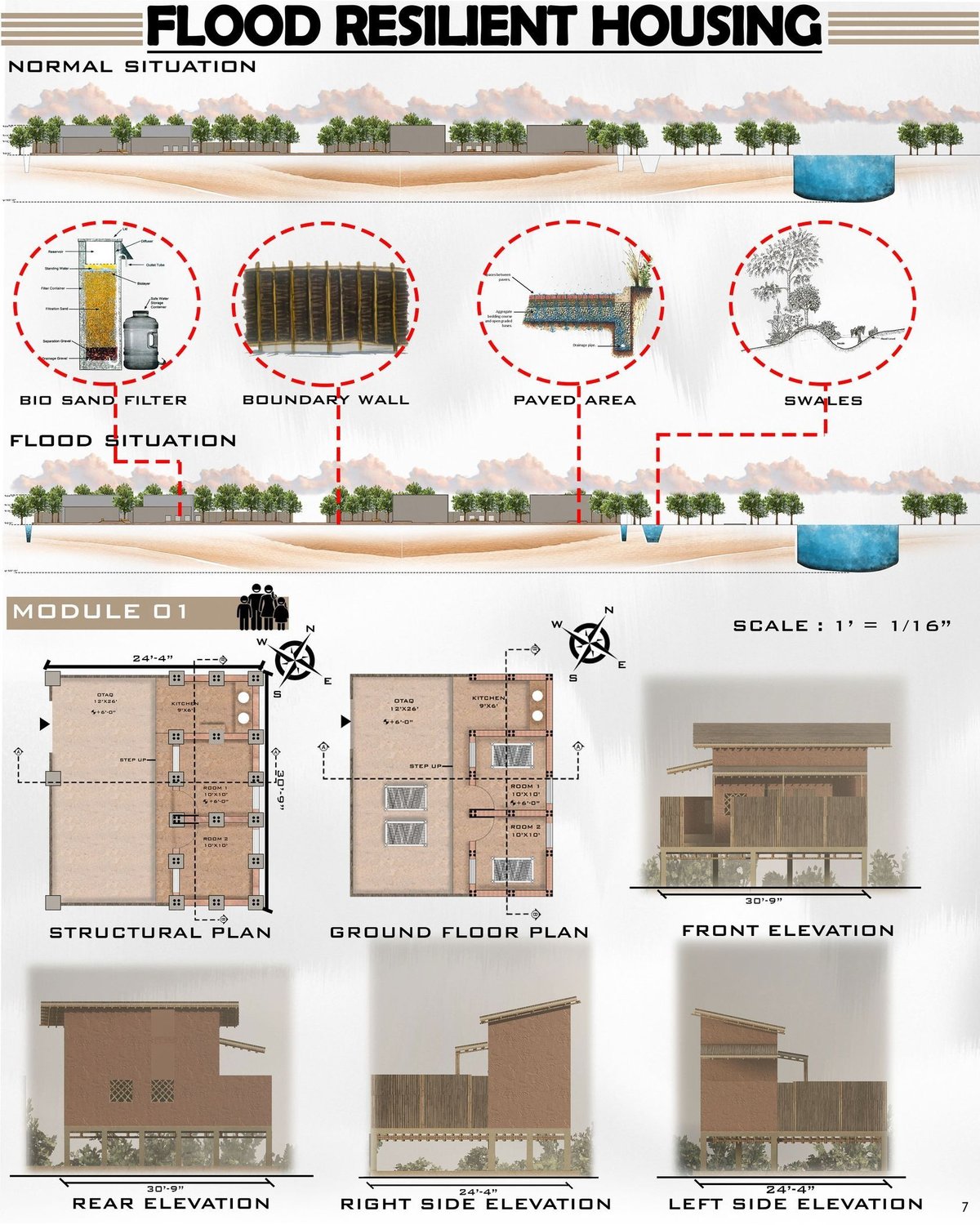
The ground is shifting beneath our feet, both literally and metaphorically. As extreme weather events grow more frequent and severe, the very definition of a sound real estate investment is being reshaped. For those looking to secure lasting value and protect their assets, embracing Future-Proofing & Resilient Housing isn't just a trend; it's a strategic imperative. This isn't about mere compliance; it's about building enduring value that stands strong against an unpredictable future.
At a Glance: Why Resilient Housing is Your Next Smart Investment
- Mitigate Risk: Protect assets from increasing climate-related disasters like floods, heatwaves, and wildfires, which are escalating in frequency and cost.
- Enhance Value: Resilient properties attract long-term tenants, command higher valuations, and often benefit from lower insurance premiums.
- Lower Operating Costs: Features like enhanced insulation, energy-efficient HVAC, and water-saving fixtures significantly reduce utility expenses and maintenance.
- Improve Livability: Safe, comfortable, and stable housing environments ensure tenant retention and community stability, especially in the face of outages.
- Unlock Financing: Access a growing pool of "green" capital, government incentives, and low-interest loans for sustainable, resilient projects.
- Innovate & Build Better: Leverage advanced construction methods like modular building for superior structural integrity, speed, and waste reduction.
The Unfolding Crisis: Why Resilience Isn't Optional Anymore
The idyllic picture of a steady housing market has been disrupted by a relentless march of climatic shifts and economic pressures. Extreme weather events — from record-breaking heatwaves to devastating hurricanes and wildfires — are no longer anomalies but regular occurrences. In the U.S. alone, billion-dollar weather disasters have surged from one every four months in the 1980s to one every 13 days recently. This escalating trend isn't just about environmental impact; it's about profound financial risk.
Historically, the connection between affordability and sustainability in housing was often seen as a zero-sum game, especially in the affordable housing sector, which frequently found itself in vulnerable locations. But the script has flipped. Climate adaptation is now a pressing concern for investors across North America. The goal is clear: integrate climate resilience into housing strategies to mitigate risk, ensure long-term returns, and ultimately, future-proof investments. The alternative is increasingly costly insurance premiums or, in some high-risk markets, insurers pulling out altogether.
Compounding this environmental urgency are significant economic shifts. U.S. multi-housing rents have jumped 16% since 2019, outstripping the 13% wage growth for low-wage workers. Meanwhile, home prices have skyrocketed by 33% in just a few years, further constricting supply and pushing demand into the rental market. In this volatile environment, resilient housing offers a stable harbor, creating enduring value for both developers and the communities they serve.
Defining Resilience: More Than Just Strong Walls
At its core, resilient housing is about creating structures and communities that can absorb, adapt to, and rapidly recover from disruptive events, particularly those driven by climate change. This isn't just about building stronger walls; it's about intelligent design and a holistic approach that considers the entire lifecycle of a building and its inhabitants.
A crucial concept here is passive survivability. This means that housing remains habitable during extreme events, even if power grids fail or essential services are disrupted. Think about a building that stays cool enough in a heatwave without air conditioning or one that remains dry and structurally sound during a flood. Such designs are essential to prevent displacement, reduce reliance on emergency services, and provide peace of mind for residents.
While the principles apply broadly, the need for resilience is particularly acute in affordable housing. This segment, catering to low-to-moderate-income individuals who don't qualify for subsidized housing and whose rents ideally should not exceed 30% of their pre-tax income, has historically been more vulnerable. Often built in less desirable, flood-prone, or less safe areas, these communities bear the brunt of climate impacts. Prioritizing resilience in affordable housing isn't just good economics; it's a social imperative. Buildings with resilient and sustainable features, like flood-resistant materials or integrated renewable energy, are proving to be lower-risk assets, attracting long-term tenants and reducing overall operating and insurance costs.
Architecting for Tomorrow: Specific Resilient Strategies
Building climate resilience offers a dual benefit: reducing risks for tenants while significantly enhancing asset value for developers. Here's a look at how specific strategies address various climate threats:
Combating Extreme Heat: Keeping Cool When It Counts
Heatwaves are becoming longer and more intense, posing serious health risks and straining energy grids. Resilient strategies focus on reducing heat absorption and retaining cool air:
- Enhanced Insulation: Traps cool air inside, reducing the need for constant air conditioning.
- Reflective Roofing: Light-colored or "cool roofs" reflect sunlight, significantly lowering internal temperatures.
- Energy-Efficient HVAC Systems: Modern systems use less energy, reducing utility bills and carbon footprint.
- Green Roofs: Vegetated roofs absorb heat, provide insulation, and can help manage stormwater.
- Shading: External shading devices, strategically placed trees, or awnings block direct sunlight.
For developers, these features translate into lower energy costs, increased property value, and improved tenant retention due to enhanced safety and comfort. For occupiers, it means a healthier, more affordable living environment.
Defending Against Floods: Staying Dry in a Deluge
Flooding, whether from heavy rains or rising sea levels, can cause catastrophic damage. Future-proofed designs aim to divert water and protect structures:
- Elevated Structures: Raising buildings above predicted flood levels is a primary defense.
- Flood Barriers & Walls: Physical barriers can divert or hold back water from properties.
- Permeable Pavements: Allow rainwater to soak into the ground rather than running off, reducing surface flooding.
- Improved Drainage Systems: Efficient gutters, downspouts, and storm drains prevent water accumulation around foundations.
- Water-Resistant Materials: Using materials that can withstand water exposure without degradation in lower levels.
These measures lead to drastically reduced repair costs, lower insurance premiums, and enhanced asset protection. For residents, it means minimal disruption and greater safety during flood events.
Managing Precipitation: Shedding Water Smartly
Beyond just floods, increased rainfall intensity can lead to leaks, water damage, and mold. Resilient design focuses on effective water management:
- Enhanced Waterproofing: Robust barriers in walls, foundations, and roofs prevent water intrusion.
- Robust Roofing Systems: High-quality, durable roofing materials and installation methods prevent leaks.
- Rainwater Harvesting: Collecting and storing rainwater for non-potable uses reduces strain on municipal water supplies and can mitigate local runoff.
The benefits are clear: reduced water damage, increased property resilience, and a lower risk of costly leaks for developers. Occupiers enjoy greater peace of mind and protection from water-related issues.
Withstanding High Winds: Anchoring Against the Storm
Hurricanes, tornadoes, and severe windstorms can wreak havoc. Future-proofing against wind involves structural reinforcement and secure components:
- Reinforced Structures: Stronger foundations, wall connections, and framing provide superior stability.
- Secure Roofing: Wind-resistant roofing materials and advanced fastening techniques prevent uplift.
- Wind-Resistant Facades & Windows: Impact-resistant windows and doors, and securely attached cladding, protect the building envelope.
- Strategic Landscaping: Windbreaks (e.g., specific tree placements) can mitigate wind forces.
For developers, these features lower repair costs, increase building lifespan, and enhance property value, often leading to reduced insurance costs. For residents, it's about increased safety and structural integrity during severe weather.
Battling Wildfires: Creating Defensible Spaces
Wildfires, intensified by drought and changing forest management, threaten vast areas. Resilient design focuses on reducing ignitability and creating protective zones:
- Fire-Resistant Materials: Using non-combustible or ignition-resistant materials for roofing, siding, and decking.
- Defensible Space Landscaping: Creating a zone around properties clear of flammable vegetation, reducing fuel for approaching fires.
- Advanced Fire Detection & Suppression Systems: Early warning systems and integrated sprinklers.
These measures significantly lower property loss risk and reduce insurance premiums, increasing asset protection. For occupiers, it offers enhanced safety and peace of mind in fire-prone regions.
Adapting to Drought: Conserving Every Drop
Water scarcity is a growing concern in many regions. Drought-resilient design focuses on efficient water use and landscape choices:
- Drought-Tolerant Landscaping: Using native plants or species that require minimal irrigation.
- Efficient Irrigation Systems: Drip irrigation, smart controllers, and xeriscaping reduce water consumption.
- Water-Saving Fixtures: Low-flow toilets, showerheads, and faucets drastically cut indoor water use.
- Greywater Systems: Treating and reusing water from sinks and showers for irrigation or toilet flushing.
For developers, this means lower maintenance costs for landscaping, enhanced asset value by reducing structural risks associated with drying soils, and reduced utility costs. For occupiers, it provides more reliable water access and lower water bills.
Building Smarter, Stronger, Faster: The Modular Advantage
As we face escalating environmental and economic challenges, the way we build needs a radical rethink. Traditional "take-make-dispose" construction methods lead to massive resource loss, energy consumption, and waste. More critically, these conventional structures often fall short when confronted with extreme weather events, failing to offer the long-term resilience needed in today's climate.
This is where modular construction steps in as a game-changer for future-proofing real estate. Moving towards a circular, "make-use-reuse" housing economy, modular construction emphasizes building longer-lasting, climate-resilient structures and developing recyclable building materials.
Here's why modular construction is gaining traction:
- Superior Structural Integrity: Factory-built modules are engineered to withstand the rigors of transportation, making them inherently robust. This often translates to buildings with superior resistance to forces like hurricanes and earthquakes, outperforming many site-built counterparts.
- Waste Reduction and Efficiency: Built in a controlled factory setting, modular construction dramatically reduces waste. Materials are precisely cut and utilized, minimizing scraps. This closed environment also allows for greater quality control, efficiency, and energy savings throughout the construction process.
- No "Green Premium": One of the biggest hurdles for sustainable construction has been the perception of a "green premium" – higher upfront costs for environmentally friendly features. Modular construction expertly mitigates many traditional housing costs (like rising construction prices, interest rates, and fluctuating material costs) while delivering highly energy-efficient and climate-resilient products. This means developers can build green without significantly impacting their bottom line.
- Faster Project Delivery: Factory production can happen concurrently with site preparation, significantly cutting overall project timelines. This speed allows developers to bring resilient properties to market faster, responding to urgent housing demands.
- Access to "Green" Financing: As an inherently sustainable method, modular construction projects often qualify more easily for "green" financing options, further enhancing their financial viability.
- Financial Resiliency and Innovation: By cutting overall project expenses through savings on labor and materials, modular construction fosters financial resiliency for developers, encouraging innovation towards a more sustainable and circular economy in housing.
Modular construction isn't just an alternative; it's a golden opportunity to deliver faster, more cost-efficient, and genuinely long-lasting housing. It directly aligns with the growing demand for sustainable, climate-resilient properties, accelerating progress towards a truly circular economy in real estate. As you Explore next generation homes, you'll find modular methods at the forefront of innovation, redefining what's possible in housing development.
Fueling the Future: Financing Resilient Housing Initiatives
Investing in future-proofed, resilient housing might seem like an added expense, but a wealth of financing opportunities exists to make these projects financially viable and even preferable. Governments, financial institutions, and private investors are increasingly recognizing the long-term value and reduced risk associated with resilient development.
Government Incentives and Programs
Across North America, strategic initiatives are designed to incentivize climate-resilient affordable housing:
- In Canada:
- CMHC Lending Criteria: Canada Mortgage and Housing Corporation (CMHC) has updated its lending criteria to emphasize energy efficiency and climate resilience, making it easier to secure financing for projects that incorporate these features.
- National Housing Strategy: This broad initiative offers various programs, including low-interest and forgivable loans, specifically targeting the development of new affordable housing units with sustainability and resilience components.
- Affordable Housing Innovation Fund: This fund is dedicated to supporting innovative approaches to affordable housing, often including solutions that enhance climate resilience and energy efficiency.
- In the U.S.:
- Low-Income Housing Tax Credits (LIHTC): These credits are a primary mechanism for financing affordable housing. Many states and allocating agencies now prioritize projects that incorporate green building standards and climate resilience features, helping to offset development costs.
- Opportunity Zone Funding: While not exclusively tied to resilience, Opportunity Zones can provide significant tax benefits for investments in designated low-income communities. Coupling these benefits with resilient design can attract substantial private capital to vulnerable areas.
Private Equity and Green Bonds
Beyond government support, the private sector is stepping up, recognizing the inherent stability and reduced long-term risk of resilient affordable housing:
- Private Equity: Firms are increasingly allocating capital to resilient housing projects, understanding that these assets offer stable returns, lower operational costs, and greater protection against climate-related losses. The predictability of cash flows from long-term tenants in well-protected properties is highly attractive.
- Green Bonds: These financial instruments are specifically designed to fund projects with environmental benefits. They allow developers and municipalities to align financial returns with environmental goals, attracting a growing pool of investors seeking socially responsible and sustainable investments. Green bonds provide a direct pipeline of capital for projects that prioritize climate resilience, energy efficiency, and sustainable materials.
Leveraging these diverse financing opportunities is crucial for making resilient housing projects a reality. By tapping into these funds, developers can mitigate initial costs, enhance project viability, and create properties that deliver both financial returns and societal benefits.
Measuring What Matters: Assessing Climate Risk
In an era of increasing climate volatility, "winging it" is no longer an option for real estate investors. A standardized, rigorous approach to climate risk assessment and management has become essential, especially following the surge in extreme events. You can't truly future-proof an investment if you don't understand the specific risks it faces.
This is where specialized tools and assessments come into play. For instance, firms like Avison Young offer Climate Value at Risk (CVaR) Assessments. These aren't just speculative predictions; they are data-driven analyses designed to quantify the financial risks associated with climate change for individual properties or entire portfolios.
A CVaR Assessment typically examines:
- Physical Risks: Direct damage from extreme weather events (e.g., flood, wind, fire, heat stress) and their impact on property value, operational continuity, and repair costs.
- Transition Risks: The financial implications of shifting to a low-carbon economy, including policy changes (e.g., carbon taxes, stricter building codes), technological advancements, and market preferences for sustainable properties.
- Litigation Risks: The potential for lawsuits related to climate change impacts or insufficient climate preparedness.
By undertaking a comprehensive CVaR Assessment, developers and investors gain invaluable insights that inform: - Informed Decisions: Understanding where risks are highest helps guide acquisition, disposition, and development strategies.
- Strategic Property Management: Identifying vulnerabilities allows for proactive maintenance and operational adjustments to enhance resilience.
- Capital Planning: Quantifying potential losses helps allocate capital more effectively for retrofits, upgrades, and insurance.
- Resiliency and Adaptation Plans: These assessments form the foundation for developing tailored strategies to adapt properties to specific climate threats, from implementing flood barriers to upgrading HVAC systems for heat resilience.
Integrating climate risk assessment into your due diligence process is no longer a luxury; it's a necessity. It provides a clear roadmap for protecting your investments and ensuring they remain viable and valuable long into the future.
Your Blueprint for Enduring Value
The conversation around housing has irrevocably shifted. From a focus solely on square footage and price per unit, we've moved to a holistic understanding that encompasses environmental impact, long-term operational costs, and, crucially, resilience against an unpredictable climate. Future-Proofing & Resilient Housing is no longer a niche concept for the environmentally conscious; it's a cornerstone of sound investment strategy, a driver of community stability, and a path toward creating genuine, enduring value.
For developers and investors, prioritizing resilience means more than just avoiding costly repairs; it means attracting and retaining tenants, commanding higher market values, securing favorable financing, and building a reputation for foresight and responsibility. It means creating properties that not only stand the test of time but also actively contribute to the well-being of their occupants and the health of the planet.
By embracing innovative construction methods like modular building, leveraging a growing array of government incentives and private capital, and rigorously assessing climate risks, you're not just building structures; you're building a more secure, sustainable, and prosperous future. The time to invest in resilience is now – because the value it creates will last for generations.